
The Family Kitchen Evolution
"Our kitchen worked perfectly when it was just the two of us," laughed Mrs Henderson from Arnold, bouncing 18-month-old Sophie on her hip. "Now we've got three children and another on the way, and I can't reach anything without moving someone out of the way."
Emma knows this feeling well. With five children of her own - Brady, Georgia, Eloise, Laney, and Mikey - she's lived through every stage of family kitchen chaos. From baby bottles at 3am to teenagers raiding the fridge after school, she understands how kitchen needs change as families grow.
"The trick isn't designing for how your family is today," Emma explains during consultations. "It's designing for how they'll be in five years, and making sure the kitchen can adapt as they grow."
That's why family kitchen design requires thinking ahead. The playpen space becomes homework area. Toddler-proof storage becomes teenager snack access. Safety features remain important but for different reasons. Good family kitchen design grows with your children rather than fighting against them.
Cooper, our springer spaniel, is particularly good at testing child-friendly design features. If it's safe for an enthusiastic dog, it's probably safe for children too.
Understanding Family Dynamics
Age-Stage Requirements
Toddler Stage (Ages 1-3): Safety dominates everything. Sharp corners become head-height hazards. Cupboard contents need protection from curious hands. Kitchen access needs controlling without creating barriers for parents.
The Morrison family from Mansfield learned this when 2-year-old Jack discovered the cleaning cupboard. "We had child locks, but he worked them out," said Mrs Morrison. "Emma designed storage that's actually inaccessible to toddlers but easy for adults."
School Age (Ages 4-12): Independence building begins. Children want to help with cooking and get their own snacks. Storage needs reorganising for child access. Homework space integration becomes important. Friend visits increase kitchen social demands.
Teenage Years (Ages 13-18): Privacy needs emerge alongside independence. Quick meal preparation becomes essential. Social gathering space requirements increase. Storage needs expand dramatically. Different family members need kitchen access simultaneously.
Adult Children Returning: Modern families often see adult children returning home. Multi-generational use requires different height considerations, varied cooking styles, and respectful sharing of space.
Safety-First Design Elements
Child-Proofing Essentials: Soft-close mechanisms prevent trapped fingers and reduce noise during nap times. Quality soft-close hinges and drawer runners should be standard, not optional, in family kitchens.
Rounded corner specifications: Sharp edges at child head height are dangerous. Custom corner treatments and careful edge selection eliminate hazards without compromising adult functionality.
Non-slip flooring selections: Kitchen floors get wet and messy with children. Surface choices need balancing safety, cleaning ease, and appearance.
Appliance safety considerations: Induction hobs stay cooler than gas or electric. Oven locks prevent curious fingers. Appliance placement affects both safety and supervision.
Chemical storage security: Cleaning products need genuinely secure storage that children can't access but adults can use easily.
Real Safety Solutions
Magnetic safety locks integration: Hidden magnetic locks on dangerous storage that children can't see or operate but adults can access instantly.
Oven lock specifications: Proper oven locks that prevent children opening doors but don't inconvenience adult cooking.
Knife storage security: In-drawer knife blocks that keep blades secure and accessible only to adults.
Cleaning product isolation: Dedicated locked cupboard for hazardous materials, positioned out of curious reach.
Hot surface protection: Hob guards and cool zones that prevent burns during busy cooking periods.
Case Study: Toddler-Safe Transformation (Sutton-in-Ashfield)
The Challenge: The Williams family had twins approaching two years old in an open-plan kitchen-living area. Standard child-proofing wasn't working, and the parents felt constantly stressed about safety.
Specific Problems:
- Open stairs to upper level created fall risks
- Kitchen island had sharp corners at toddler head height
- Cleaning products stored in accessible cupboard
- Oven at perfect height for small hands
- Knives in magnetic strip within reach
Our Solution: Princeton kitchen with integrated safety throughout:
- Rounded corner treatments on all furniture
- Soft-close mechanisms as standard
- Dedicated locked storage for hazardous items
- Oven positioned higher with child locks
- Hidden knife storage in deep drawers
Safety Features:
- Magnetic locks invisible to children
- Rounded edges throughout
- Non-slip flooring with easy cleaning
- Induction hob with automatic shut-off
- Baby gate integration points designed in
The Result: Parents relaxed, children safe, kitchen fully functional. "We can actually cook dinner without constant worry," said Mrs Williams six months later.
Growth Accommodation Strategies
Adjustable Height Solutions
Pull-down storage systems: Upper cupboards with pull-down mechanisms bring items to comfortable reach for different family members.
Adjustable shelving integration: Shelf heights that change as children grow and family needs evolve.
Step-stool accommodation: Designed-in storage for step stools that children can access safely when needed.
Reach-friendly organisation: Storage planned so frequently used items are accessible to appropriate family members.
Independence building design: Systems that help children become self-sufficient without requiring adult assistance.
Storage Evolution Planning
Toy storage transition: Space allocated for toys gradually transitions to sports equipment, musical instruments, or hobby materials.
Art supply organisation: Dedicated storage for children's creative materials that evolves from crayons to serious art supplies.
School project accommodation: Workspace and storage for increasing complex school projects and coursework.
Technology charging stations: Device charging that grows from simple tablet charging to comprehensive technology support.
Memory keeping spaces: Storage for children's artwork, school reports, and family mementos that accumulates over years.
Flexible Space Creation
Multi-purpose surface design: Worktops that serve as cooking preparation, homework space, and craft area depending on current needs.
Convertible seating arrangements: Seating that accommodates different ages and activities throughout the day.
Moveable storage solutions: Some storage elements that can relocate as family needs change.
Activity zone flexibility: Spaces that can transition from play area to study zone to social gathering space.
Privacy option integration: Ways to create privacy within open-plan spaces when children need quiet study time.
Homework and Study Integration
Kitchen Peninsula Desk Areas
Supervision while working: Parents can help with homework while preparing dinner, maintaining family connection during busy periods.
Natural lighting optimisation: Kitchen windows provide excellent natural light for reading and writing tasks.
Storage for school supplies: Dedicated organisation for homework materials, keeping everything accessible and organised.
Technology integration: Power outlets for devices, organised cable management, and secure storage for expensive equipment.
Distraction minimisation: Design that provides study focus while remaining connected to family activities.
Counter Height Study Zones
Appropriate seating provision: Adjustable or varied height seating that grows with children from primary school through teenage years.
Good lighting assurance: Task lighting specifically designed for reading and writing, supplementing natural light.
Power outlet accessibility: Convenient device charging without cable chaos across work surfaces.
Storage for materials: Organised storage for books, supplies, and projects within easy reach of study area.
Easy cleaning capability: Surfaces that clean quickly after study sessions, maintaining kitchen hygiene standards.
Real Example: Family Study Command Center
The Challenge: The Davies family in Newark had three children aged 8, 11, and 14 doing homework simultaneously every evening. The dining table wasn't working, and bedroom study was isolating children from family life.
Our Solution: Langdale kitchen with integrated study peninsula:
- Counter-height study area with three workstations
- Individual storage cubbies for each child's materials
- Charging station with cable management
- Magnetic message board for school communications
- Good task lighting independent of main kitchen lighting
Storage Organisation:
- Each child has designated drawer for supplies
- Shared storage for reference materials
- File storage for ongoing projects
- Display area for completed work
The Outcome: Homework stress reduced dramatically. Children help each other, parents can supervise while cooking, and family time improved. "Best investment we ever made," said Mrs Davies.
Social and Entertainment Considerations
Friend-Friendly Spaces
Snack preparation areas: Dedicated spaces where children can prepare simple snacks for friends without disrupting main cooking activities.
Casual seating options: Breakfast bar or island seating that accommodates visiting friends comfortably.
Easy-clean surfaces: Materials that cope with increased mess and spills when friends visit regularly.
Noise consideration: Design that contains social noise without isolating children from family activities.
Activity accommodation: Space for craft projects, board games, or other social activities that naturally gravitate to kitchen areas.
Family Gathering Areas
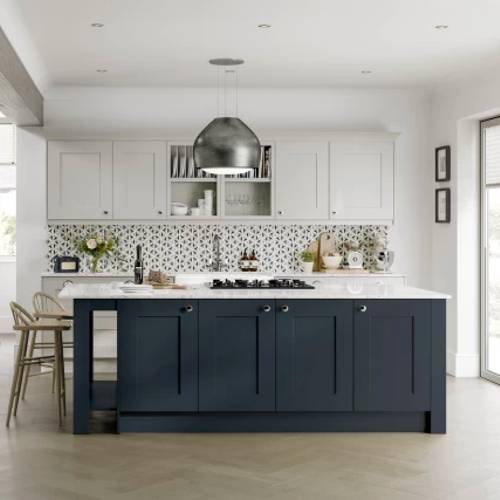
Large island for interaction: Central preparation and eating space that brings family together rather than separating them into different rooms.
Comfortable seating arrangements: Seating that encourages lingering and conversation rather than quick eating and leaving.
Sight line optimisation: Design that allows conversation throughout the kitchen during food preparation and cleanup.
Conversation facilitation: Layout that naturally brings family members together and encourages communication.
Memory creation support: Spaces designed for family traditions, celebrations, and daily rituals that build family connections.
Holiday and Special Occasion Planning
Extended family accommodation: Kitchen capacity that handles holiday cooking and entertaining without overwhelming the space.
Increased cooking capacity: Appliance and preparation space that copes with special occasion demands.
Serving space adequacy: Areas designated for serving large meals and managing holiday complexity.
Storage for special items: Organisation for celebration dishes, seasonal equipment, and special occasion supplies.
Tradition support design: Spaces that accommodate family traditions like birthday cake decorating or holiday cookie making.
Organisation for Chaos Management
School Day Systems
Backpack storage solutions: Designated storage that keeps school bags organised and accessible without cluttering main kitchen areas.
Lunch preparation areas: Organised space for efficient lunch making with easy access to containers, supplies, and healthy options.
Permission slip organisation: Central location for school communications, forms, and important papers that need parental attention.
Sports equipment accommodation: Storage for seasonal sports equipment that needs regular access and organisation.
Quick breakfast options: Organised storage and preparation areas for efficient morning routines when time is limited.
After-School Activity Support
Snack accessibility: Healthy snack storage that children can access independently without requiring adult assistance.
Homework material storage: Organisation systems that help children maintain their own school supply organisation.
Calendar and schedule display: Central family scheduling that helps coordinate everyone's activities and commitments.
Communication centre creation: Message centre for family coordination, school information, and social planning.
Independence encouragement: Design that builds children's self-sufficiency skills progressively as they mature.
Chore Integration Design
Age-appropriate task areas: Spaces designed so children can participate in family maintenance tasks safely and effectively.
Tool storage accessibility: Child-sized cleaning tools and supplies stored accessibly for age-appropriate chore participation.
Responsibility encouragement: Design that makes it easy for children to take responsibility for kitchen maintenance and organisation.
Teaching opportunity creation: Spaces designed for skill building through cooking, cleaning, and organisation activities.
Habit formation support: Systems that make good habits easier to maintain than bad habits.
Material Selection for Family Life
Durability Requirements
Impact resistance necessity: Materials that survive dropped items, chair backs, and general family wear without showing damage immediately.
Stain resistance importance: Surfaces that cope with art materials, food spills, and general family chaos without permanent marking.
Easy repair capability: Materials that can be touched up or repaired economically rather than requiring complete replacement.
Maintenance simplicity: Finishes that maintain appearance with basic cleaning rather than specialised care routines.
Replacement cost consideration: Understanding what will need replacing and when, planning for family budget realities.
Child-Friendly Finishes
Non-toxic material selection: All materials safe for children who might touch, lick, or otherwise interact with surfaces.
Easy cleaning capability: Surfaces that clean with basic household cleaners without special products or procedures.
Fingerprint resistance: Finishes that don't show every touch, maintaining appearance despite constant handling.
Durability under abuse: Materials that maintain appearance despite the inevitable bumps, scratches, and spills of family life.
Safety standard compliance: All materials meeting appropriate safety standards for family environments.
Noise Control Materials
Sound-absorbing surfaces: Materials that reduce noise transmission and echo in busy family environments.
Soft-close mechanism value: Quality soft-close systems that significantly reduce kitchen noise levels.
Noise reduction priorities: Design choices that minimise disruption to family life, sleep schedules, and neighbourhood relationships.
Family harmony preservation: Acoustic consideration that supports family relationships through noise management.
Neighbour consideration: Noise control that maintains good relationships with surrounding properties.

Technology Integration for Families
Device Charging Solutions
Multiple device accommodation: Charging stations that handle tablets, phones, smartwatches, and other family technology.
Age-appropriate accessibility: Charging positions suitable for different ages and heights without creating cable hazards.
Cable management systems: Organisation that keeps charging cables tidy and prevents trip hazards.
Usage monitoring capability: Positioning that allows parents to supervise device usage appropriately.
Safety consideration integration: Charging solutions that eliminate electrical hazards while remaining accessible.
Communication Centre Design
Family calendar display: Central scheduling that helps coordinate activities, appointments, and family commitments.
Message board integration: Communication systems for family members to share information and coordinate activities.
Phone charging stations: Designated spaces for family phones that encourage healthy usage boundaries.
Emergency information access: Important contact information and emergency procedures easily accessible to all family members.
School communication organisation: Systems for managing school forms, letters, and electronic communications efficiently.
Smart Home Family Features
Voice control for accessibility: Technology that helps family members of different ages and abilities control kitchen functions.
Lighting control for different activities: Programmable lighting that supports various kitchen activities throughout the day.
Temperature control for comfort: Climate management that maintains comfort during varying family activities and seasons.
Safety monitoring integration: Technology that enhances rather than replaces parental supervision and safety measures.
Entertainment system connectivity: Integration that supports family activities without dominating kitchen design.
Budget Considerations for Growing Families
Phased Implementation Strategy
Priority establishment guidance: Understanding which improvements deliver most immediate benefit for growing families.
Budget allocation wisdom: Spending money where it makes the biggest difference to daily family life.
Growth accommodation planning: Investing in solutions that adapt as children grow rather than requiring replacement.
Future upgrade preparation: Design that allows easy updates and improvements as family needs change.
Cost optimisation techniques: Achieving family-friendly functionality without unnecessary expense.
Investment Priority Guidelines
Safety features as non-negotiable: Never compromising on child safety regardless of budget constraints.
Quality in high-use areas: Investing in durability where family use is heaviest and most demanding.
Flexibility for future needs: Prioritising adaptable solutions over fixed solutions that might become unsuitable.
Easy maintenance priorities: Choosing solutions that reduce rather than increase family maintenance burdens.
Long-term value considerations: Understanding which investments pay back through reduced replacement and maintenance needs.
Financing Family Kitchen Projects
Dopple financing for families: Making quality family kitchens affordable through manageable monthly payments.
Payment schedule family-friendly options: Payment timing that works with family budgets and cash flow realities.
Budget reality discussions: Honest conversation about family priorities and financial constraints.
Value optimisation strategies: Achieving maximum family benefit within available budget constraints.
Investment protection assurance: Quality guarantees that protect family investments over the long term.
Real Family Success Stories
The Anderson Family Evolution (Mansfield)
Starting Point: Young couple expecting first baby, planning kitchen renovation before arrival.
Initial Kitchen: Waterford design with future planning built in:
- Island with bar seating for future homework use
- Storage planned for transition from baby to teenage needs
- Safety features integrated invisibly
- Flexible lighting for different activities
Family Growth: Now family of four with children aged 6 and 9.
Kitchen Adaptation: Original design accommodating growth perfectly:
- Homework area working exactly as planned
- Storage evolved from toys to sports equipment
- Safety features still protecting but not restricting
- Family gathering space central to daily life
Continued Satisfaction: "The kitchen has grown with our family. Emma's planning was spot-on," Mrs Anderson said recently.
The Williams Multi-Generational Home (Arnold)
The Challenge: Grandparents, parents, and two teenagers sharing kitchen space with different needs and capabilities.
Family Composition:
- Grandparents (ages 72 and 74) with mobility considerations
- Parents (ages 45 and 47) busy with work and family coordination
- Teenagers (ages 14 and 16) with independence needs and social activities
Our Solution: Austin kitchen with multiple work zones:
- Varied counter heights for different users
- Accessible storage for grandparents
- Independent snack preparation for teenagers
- Central coordination space for parents
Accessibility Features:
- Pull-down storage systems
- Comfortable seating with back support
- Good lighting throughout
- Easy-grip handles and controls
The Result: Harmonious multi-generational kitchen use. "Everyone can use the kitchen comfortably without getting in each other's way," said the family.
Future-Proofing Strategies
Anticipating Change
Empty nest preparation: Understanding how kitchen needs change when children leave home.
Accessibility future-proofing: Planning for changing physical capabilities as parents age.
Technology adaptation readiness: Infrastructure that can accommodate advancing technology without major renovation.
Resale value consideration: Design choices that appeal to future buyers regardless of family composition.
Lifetime value optimisation: Investment decisions that deliver value throughout family lifecycle changes.
Adaptation Capability
Modular design elements: Some components that can be reconfigured as needs change.
Easy modification planning: Design that allows updates without major reconstruction.
Upgrade pathway preparation: Infrastructure that supports future improvements and technology integration.
Change accommodation design: Flexibility built into original design rather than added later.
Evolution support systems: Design that grows and adapts rather than becoming obsolete.
Long-term Satisfaction
Growing with family needs: Kitchen design that remains relevant and functional throughout family evolution.
Adaptation success measurement: Ongoing satisfaction as family dynamics change over years.
Continued functionality assurance: Design that maintains usability despite changing family requirements.
Investment value preservation: Quality choices that maintain kitchen value regardless of family changes.
Family happiness maintenance: Design that continues supporting family life through all stages of growth.
The Kudos Family Approach
Understanding Family Dynamics
Emma's experience with five children provides real insight into family kitchen challenges. She's lived through every stage from sleepless newborn nights to teenage social chaos.
Real-world testing: Every design recommendation is based on Emma's personal experience of family life realities.
Safety priority establishment: Never compromising child safety regardless of other design considerations.
Growth accommodation planning: Thinking ahead to anticipate family changes rather than reacting to them.
Future flexibility integration: Building adaptability into original design rather than planning for future renovation.
Family happiness prioritisation: Understanding that kitchen success is measured by family satisfaction, not design awards.
Practical Experience Application
Five children's worth of testing: Emma's design recommendations come from real experience with family chaos and growth.
Safety knowledge: Understanding which safety features actually work in daily family life versus theoretical safety.
Storage reality: Knowing how families actually use storage versus how designers think they should use it.
Activity accommodation: Real understanding of how children use kitchen spaces for homework, play, and social activities.
Maintenance realism: Honest advice about which materials and finishes cope with family life versus those that look good initially.
Long-term Relationship Focus
Growing with families: Supporting families through kitchen evolution rather than one-time transactions.
Ongoing consultation: Available for advice as family needs change and children grow.
Adaptation support: Helping families modify and update kitchens as requirements evolve.
Community connection: Understanding local family needs through ongoing community relationships.
Family success investment: Personal investment in family satisfaction and long-term kitchen success.
Creating Your Family Kitchen
Designing for growing families requires thinking beyond current needs to anticipate how family life will evolve. The best family kitchens grow and adapt with children rather than fighting against changing needs.
Emma's approach combines professional design expertise with real family experience. Her five children have tested every design recommendation through years of actual use, mess, and chaos.
Whether you're planning for your first baby or adapting to teenage chaos, Emma understands how family kitchens need to work in real life rather than just in magazines.
Call 01623-206-977 to discuss your family's kitchen needs with Emma, or visit our showroom to see how design choices can support rather than complicate family life.
Remember: the best family kitchen is the one that makes daily life easier, not harder.